Vcs754a Firmware: Cleartext Transmission of Sensitive Information
CVE-2023-25437 is a high-severity cleartext transmission of sensitive information vulnerability in Vcs754a Firmware from Vtech, with a CVSS 3.1 base score of 8.8 out of 10. It can be exploited remotely over the network by an attacker with a low-privileged account, without any action from a user. The record lists version 1.1.1.h as the first without the flaw, so updating Vcs754a Firmware to that release or later removes the exposure. There is no confirmed exploitation so far. EPSS estimates a 14.1% chance of exploitation within 30 days, which is in the top 3.37% of all scored CVEs.
EPSS places it among the vulnerabilities most likely to be exploited soon.
What to do
- Update Vcs754a Firmware to 1.1.1.h or a later version.
Affected products and versions
| Vendor | Product | Affected versions | Fixed in |
|---|---|---|---|
| Vtech | Vcs754a Firmware | 1.1.1.a up to, but not including, 1.1.1.h | 1.1.1.h |
Version data comes from NVD's product matching. Confirm against the vendor advisory before deciding you are unaffected.
How the severity score breaks down
- Attack vector
- NetworkCan be exploited remotely over a network, including the internet.
- Attack complexity
- LowNo special conditions are needed; the attack works reliably.
- Privileges required
- LowA basic user account is enough.
- User interaction
- NoneNo action by a victim is required.
- Scope
- UnchangedImpact stays within the vulnerable component.
- Confidentiality
- HighAll data handled by the component can be read.
- Integrity
- HighData or code can be modified at will.
- Availability
- HighThe component can be taken down completely.
Vector: CVSS:3.1/AV:N/AC:L/PR:L/UI:N/S:U/C:H/I:H/A:H. Scored by NVD.
| Scoring system | Score | Severity | Scored by |
|---|---|---|---|
| CVSS 3.1 | 8.8 | High | NVD |
| CVSS 3.1 | 8.8 | High | CISA (ADP) |
Official description
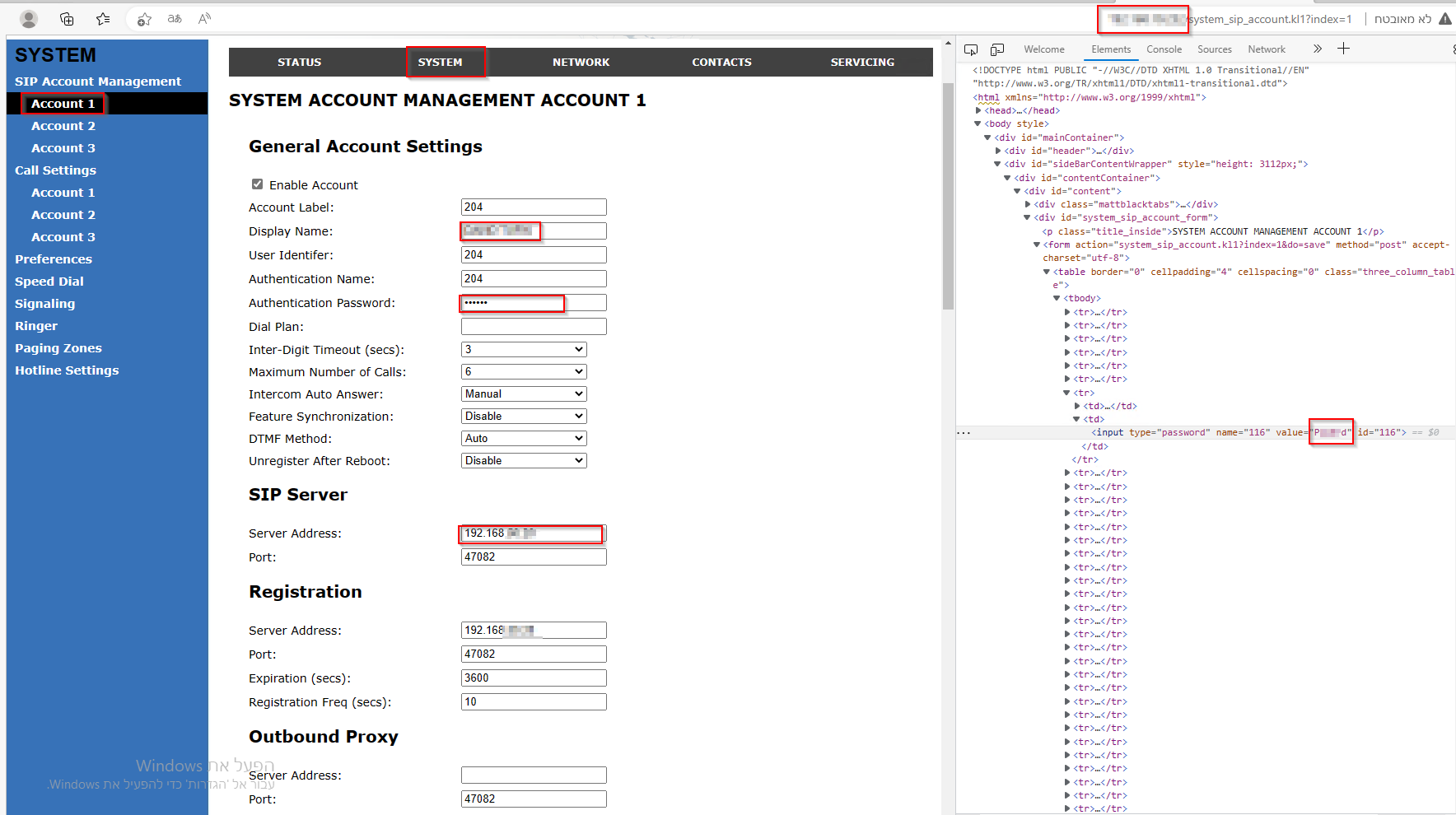
An issue was discovered in vTech VCS754 version 1.1.1.A before 1.1.1.H, allows attackers to gain escalated privileges and gain sensitive information due to cleartext passwords passed in the raw HTML.
Source: the CVE record as published by its numbering authority, via NVD and CVE.org.
The underlying weakness: Cleartext Transmission of Sensitive Information
The product transmits sensitive or security-critical data in cleartext in a communication channel that can be sniffed by unauthorized actors.
How developers prevent this class of flaw
- Before transmitting, encrypt the data using reliable, confidentiality-protecting cryptographic protocols.
- When using web applications with SSL, use SSL for the entire session from login to logout, not just for the initial login page.
- When designing hardware platforms, ensure that approved encryption algorithms (such as those recommended by NIST) protect paths from security critical data to trusted user applications.
More Cleartext Transmission of Sensitive Information vulnerabilities (CWE-319)
Timeline
- CVE record published.
- CISA published its SSVC assessment (exploitation: poc, automatable: no, technical impact: total).
- Record last changed materially (score, affected products, status or references).
References
Third-party and government advisories
Technical write-ups (may include proof of concept)
- i.imgur.com/aDuiY8q.pngExploit
Recent Cleartext Transmission of Sensitive Information vulnerabilities
- 7.5 High severity
- 7.5 High severity
- 7.5 High severity
- 7.5 High severity
- 7.5 High severity
- 7.5 High severity
Spotted an error? Tell us.